
- Home
- HDB Feng Shui Guide: Maximise Your Flat’s Energy & Prosperity
HDB Feng Shui Guide: Maximise Your Flat’s Energy & Prosperity
Most HDB flats are built to Housing Board specifications, with standardised layouts, shared walls, and limited structural flexibility.
That creates real constraints for feng shui. But it does not make good energy flow impossible. The work is in knowing which adjustments matter inside those constraints, and which ones are not worth the disruption.
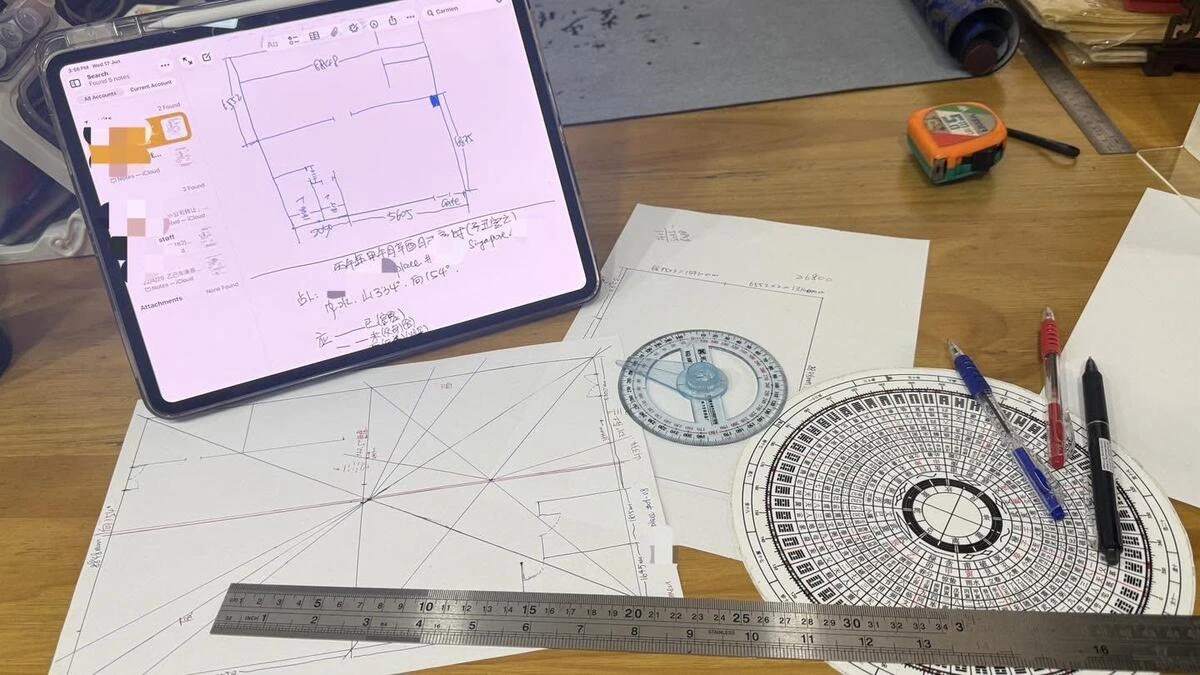
Why HDB layouts present specific feng shui challenges
The most common issues in HDB flats are not random. They follow the architecture. Direct-through layouts, where the main door faces a window or rear door in a straight line, cause qi (life energy) to rush through the flat without circulating. This is one of the most frequently diagnosed problems in Singapore’s public housing.
Corridor-style bedrooms, particularly in 3-room and 4-room flats, often create a situation where the bedroom door faces the toilet door directly. In classical feng shui Singapore, this alignment is associated with health and rest disruption, because the energy of the toilet space flows directly into the sleeping area. The fix is typically a screen, a curtain, or a repositioned bed orientation rather than structural changes. None of these requires HDB approval; they sit within ordinary furnishing and decor decisions, which matters because most residents are not in a position to hack walls or move doorways.
L-shaped units and irregular floor plans introduce a separate problem: missing corners. A spatially absent sector is also energetically incomplete. Whether the missing corner falls in the Southeast (traditionally associated with wealth), the Northwest (the patriarch or leadership sector), or elsewhere, has different implications and requires different remedies.
The main door: why it receives the most attention
In feng shui, the main door is called the mouth of qi. It is the primary point through which energy enters the home, and its orientation, what it faces, and what stands directly opposite it have an outsized effect on the energy of the entire flat.
For HDB residents, the main door commonly faces a lift lobby, a corridor wall, a staircase, or another unit’s door. Each configuration carries different implications.
| What does the main door face | Feng shui assessment | Typical adjustment |
|---|---|---|
| Open corridor or bright hall | Generally favourable; qi can gather | Keep the entrance well-lit and uncluttered |
| Directly opposite another unit’s door | Qi clash between units | Screen, plant, or fabric panel inside |
| Lift door | Qi is drawn outward with each opening | A welcoming mat or feature plant at the entry |
| Staircase going down | Energy perceived as draining away | Bright lighting; a round-leafed plant near the entry |
| Solid wall at close range | Blocked energy at the entry | Bright lighting and a mirror not placed directly opposite |
One thing that matters as much as what the door faces is what a person sees immediately upon entering. A cluttered shoe rack, a toilet door visible from the entry, or a kitchen straight ahead are all configurations that feng shui practitioners address first, before anything else in the flat.
Bedroom placement and sleeping orientation
The bedroom is where the body recovers.
Its feng shui tends to get the most attention from residents dealing with poor sleep, persistent fatigue, or health concerns. 2 factors matter most: where the bed sits, and which direction the sleeper faces.
A bed positioned so the sleeper’s head points toward the door is considered unfavourable. The position is described in the Chinese metaphysical tradition as having the feet facing outward, which is the orientation associated with the deceased. More practically, the sleeper cannot see who enters without turning, which creates subconscious alertness.
The correct placement puts the headboard against a solid wall, with the sleeper able to see the door without lying directly in line with it. The ideal bed position achieves 3 things at once: solid backing behind the head, a clear sightline to the entry, and the foot of the bed not pointing directly at a door or window.
The toilet or bathroom door should not face the bed.
Where the flat’s layout makes this unavoidable, keeping the bathroom door closed consistently and using a screen or hanging a curtain to interrupt the sightline are the standard remedies.
Sleeping orientation, specifically which direction the crown of the head points, is assessed based on BaZi (Chinese birth chart) in more detailed consultations. Different individuals have different auspicious and inauspicious directions based on their Gua number, calculated from their year of birth. For households with school-age children, the same calculation applies to desk orientation.
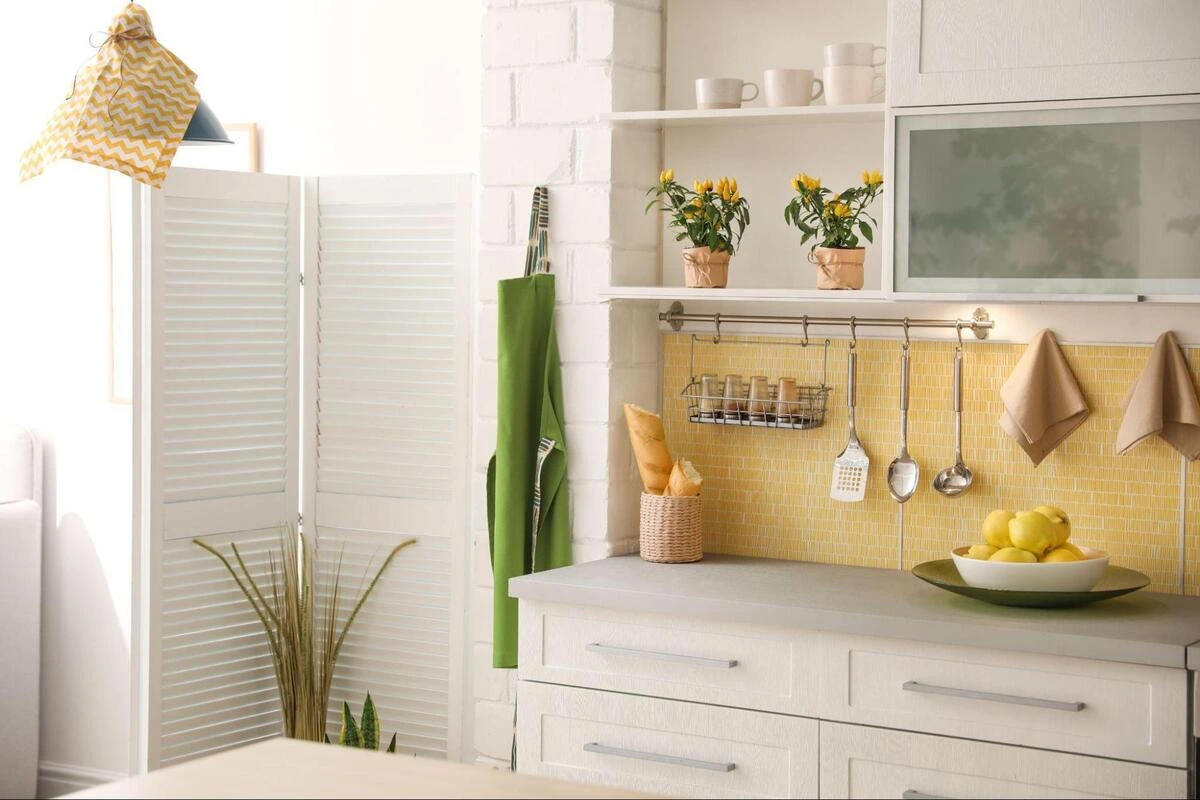
The kitchen: position, stove, and the fire-water relationship
The kitchen in a feng shui assessment comes down to 2 things: where it sits in the floor plan, and how the stove and sink are arranged relative to each other.
Water and fire are opposing elements in classical elemental theory, and their arrangement determines whether the kitchen functions as a source of balance or conflict in the home. The ideal setup places the stove and sink on different counters, not directly adjacent or facing each other. In most HDB kitchens, which tend to run long and narrow, the stove ends up alongside the sink on the same counter, or directly opposite it across a narrow galley.
Neither is ideal, but the galley opposition is the more common concern because the cook at the stove directly faces the water source.
The traditional remedy where rearrangement is not possible is a wood-element buffer between them: a wooden chopping board, a herb planter, or a timber shelf. Wood feeds fire in the productive cycle and absorbs water, so it mediates the clash rather than amplifying it.
Kitchen placement within the flat is a separate consideration. A kitchen in the Northwest sector is associated with what practitioners call fire at heaven’s gate, a configuration believed to create friction for the male head of household. This cannot be changed structurally, but using earth-tone colours in that kitchen and removing strong red elements can reduce the activation.
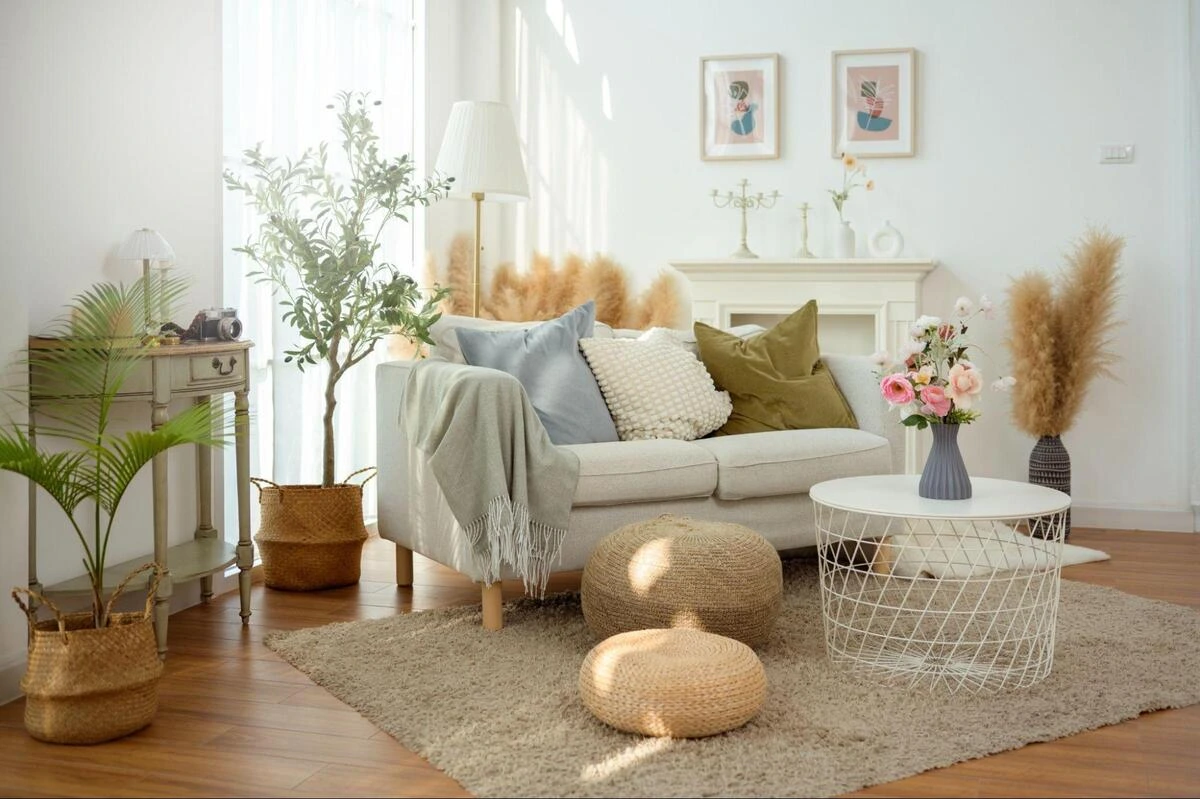
Living room and common areas: flow and proportions
The living room is the primary yang space in the flat: bright, active, used by the household. It should feel open, with movement through it unobstructed.
Sofa placement follows the mountain support principle. The sofa should have a solid wall behind it, not a window or open walkway. A sofa backed by a window creates what practitioners describe as sitting without support, which, in practice, many residents also find physically less comfortable, regardless of any feng shui framing.
The television wall should not align directly with the main door. When the TV draws the eye straight through the flat toward the rear, energy follows the sightline and exits without gathering. This is the same through-draft problem that appears at the flat’s overall scale when the front door faces the rear balcony or window.
Natural light into the living room, particularly morning light, is considered favourable.
Many older HDB estates in the east of Singapore (Tampines, Pasir Ris, Bedok) have units that receive strong morning sun into their main living space, which aligns with the Wood and Fire element associations of the East and Southeast compass sectors. This is worth knowing because many residents in those estates assume their older flats are at an energetic disadvantage compared to newer private properties.
In terms of morning light orientation, they often have a better starting position. The same applies to units in the Northeast-facing estates of Punggol and Sengkang, which have proliferated since the late 2000s and whose East-facing rooms benefit similarly.
Period 9 context for Singapore HDB residents
Period 9 began in February 2024 and runs for 20 years. Each 20-year period in the flying stars system shifts which directions and numbers carry fortunate or challenging energy.
Period 9 is associated with the fire element and the trigram Li, which relates to brightness, visibility, recognition, and women in leadership. For HDB residents, the practical implication is that the South sector of the home and the number 9 flying star have become the most favoured energetically.
The number 1 star, associated with career and the water element, is rising as the next-period star and also carries current strength. South-facing living rooms and master bedrooms are the spaces most worth activating during this period.
Base principles do not change between periods. Door alignment, bedroom position, the fire-water relationship in the kitchen: these hold across Period 8, Period 9, and beyond. The flying star analysis sits on top of those structural factors rather than replacing them. A Period 9 feng shui assessment addresses both layers, and a practitioner who focuses only on the period without assessing the form is giving an incomplete reading.
When to consult a feng shui practitioner for your HDB
Some adjustments residents can make on their own: decluttering, improving lighting at the entrance, repositioning a desk or bed, adding plants in the East or Southeast, and keeping the bathroom door closed. These are low-risk and widely applicable.
A professional consultation makes the most sense in 2 situations.
The first is moving into a new flat.
A practitioner can read the flying star chart for the unit’s sitting and facing direction, map this to the current period, and give room-specific recommendations before furniture is placed. The cost of repositioning a bed or sofa during a move-in is near zero; doing it a year later means disrupting a settled home and often compromising on other factors. Getting the layout right at the outset is substantially easier than correcting it later, which is why the pre-move consultation is the most commonly requested service for HDB residents.
The second situation is persistent patterns: recurring health concerns in the household, ongoing relationship friction, and career stagnation that do not correspond to external circumstances.
These are the reasons people seek feng shui assessments. A practitioner working from classical principles will read the home environment and give an objective view on what the space may be reinforcing, without guaranteeing any specific outcome.
Master Vanessa has worked with HDB households across Singapore since 2017, with training grounded in both Form School and Flying Stars methodology. Consultations cover the full flat, assessed against the resident’s BaZi profile and the current period’s energy map. Visit us for more information on what a house feng shui consultation involves.