

Buying a house is one of the biggest decisions most people make so it’s only natural that you want to go through every detail before you sign the papers. Location, price and renovation costs are important considerations but the environment around the property and the layout of the home can also have an impact on how a space feels. House Feng Shui consultation can help homeowners identify potential issues like unusual landforms, poor energy flow or unsuitable layouts before they buy a property. But Feng Shui isn’t saying you should avoid every house with a potential problem. Instead, it helps buyers gain a better understanding of the space and make more confident decisions.
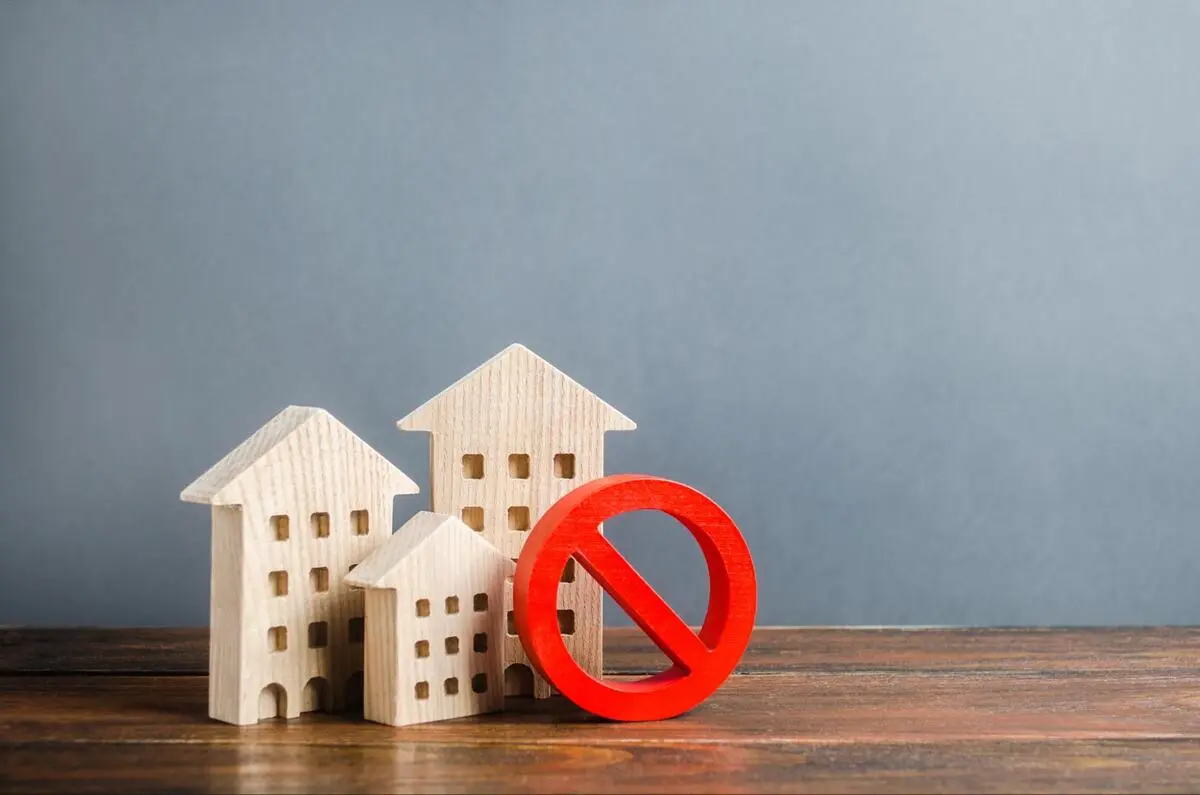

What Feng Shui Red Flags Should You Check Before Buying a House?
Common Feng Shui concerns in buying a home include homes facing a T-junction, homes at the end of a cul-de-sac, homes with steep slopes behind, blocked entrances, poor internal layouts. These factors can impact the overall energy flow in a property. However, most of the problems can be overcome by careful planning, furniture arrangement and suitable modifications.
Why Feng Shui Matters During House Hunting
A home is more than just a physical structure. It is a place where people spend years building memories, resting, and growing their lives. This is why many buyers consider Feng Shui as an additional perspective during their property search.
For those practising feng shui house hunting, the goal is not to find a “perfect” house because every property has its own strengths and weaknesses. Instead, the focus is on understanding whether the home environment supports comfort, stability, and positive energy.
There are several important areas in Feng Shui:
- The front entrance spot
- The shape of the land and what is around it
- The movement of energy around the home
- Position of bedroom, kitchen and living areas
- The balance between opposing elements
Even an attractive property can have some bad feng shui house traits that need reviewing prior to purchase.
Common Feng Shui Red Flags to Notice Before Buying
Every house is different, but some features are commonly analysed during a Feng Shui assessment.
| House Feature | Why It Gets Attention | Possible Considerations |
|---|---|---|
| T-junction facing the home | Strong external movement towards the house | Review the entrance direction and surrounding protection |
| End of a cul-de-sac | Energy movement may feel limited | Improve openness and airflow |
| Steep slope behind the house | May affect the sense of support | Check land condition and house positioning |
| Main door facing obstacles | Can restrict energy flow | Adjust the entrance arrangement |
| Poor room layout | May create an imbalance | Rearrange furniture or use space |
These points should not immediately decide whether a property is suitable or unsuitable. A complete evaluation looks at the entire picture.
1. T-Junction Houses: What Buyers Should Know
A house located directly at the end of a T-junction is one of the most discussed topics in Feng Shui. The concern comes from the road movement directing energy straight towards the property.
However, not every T-junction home will have the same impact. Several factors need to be considered:
- How far is the road from the house
- Whether the main entrance faces the road
- The surrounding buildings and landscape
- The internal layout of the home
For example, a house may face a T-junction but have a well-positioned entrance and strong internal balance. In such cases, the concern may be reduced.
This is why buyers often seek real estate feng shui tips before making a final decision rather than relying only on general information.
2. Homes Located at the End of a Cul-de-Sac
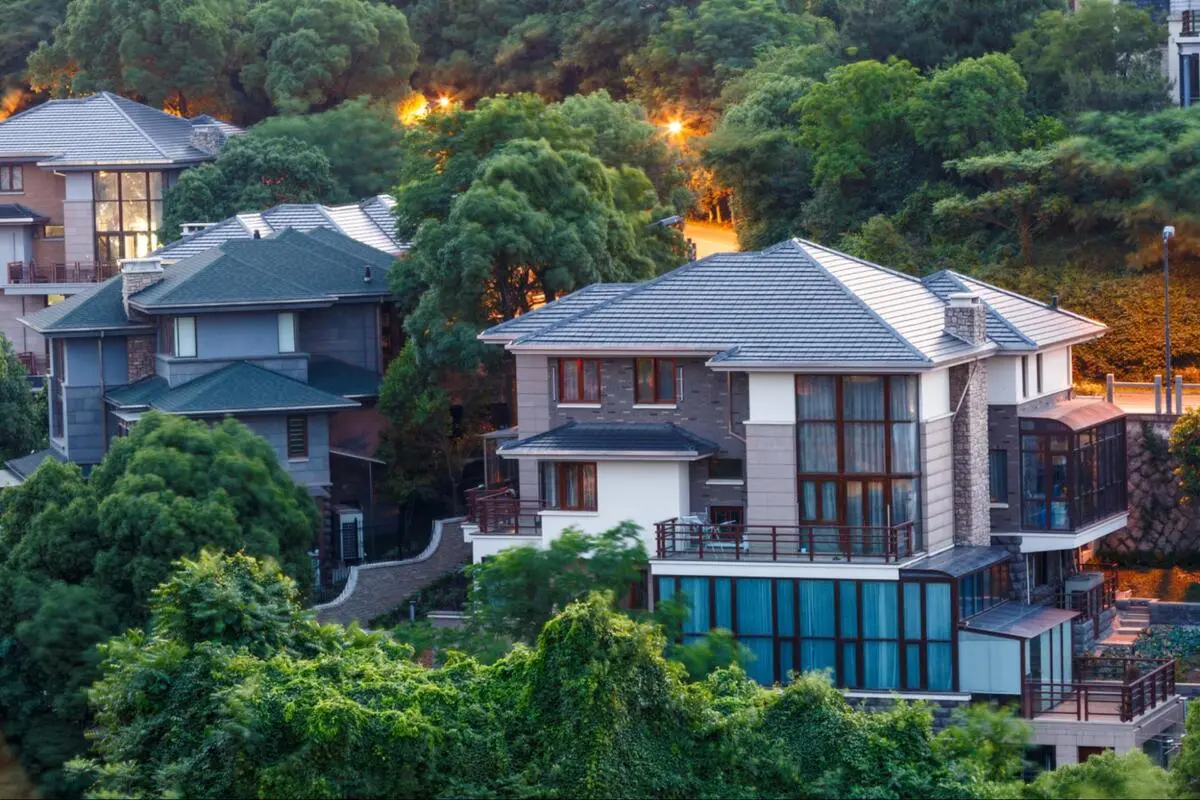

People like cul-de-sacs because they usually mean privacy and less traffic noise. But, from the Feng Shui point of view, the flow of energy around these properties needs to be watched very carefully.
When energy comes into a space, it should ideally flow naturally, not get stuck. A home at the end of a road may require additional considerations based on:
- The shape of the space around it
- The place of the entrance
- Natural daylight volume
- The front space is open
Minor improvements such as improved landscaping, lighting or entrance modifications may help to create a more balanced environment.
3. Houses Backing Onto a Steep Slope
The area behind a home is traditionally viewed as representing support and stability. A steep slope behind a property may therefore become an important point to consider.
Before purchasing, buyers should check:
- Is the slope stable and properly maintained?
- Does the home receive enough sunlight and airflow?
- Does the property feel comfortable and secure?
- Are bedrooms or living spaces affected by the slope?
A steep slope does not automatically mean a house should be avoided. The overall condition, direction, and layout still play a major role.
Other House Layout Red Flags to Watch For
Apart from external surroundings, the internal design of a home can also create concerns. Some common house layout red flags include:
- Main Door Facing Another Door: When doors directly face each other, energy may move too quickly between spaces. Small layout changes can sometimes improve the flow.
- Bedroom Near High Activity Areas: Bedrooms located beside kitchens, elevators, or busy walkways may affect rest and relaxation.
- Blocked Entrance Area: A crowded entrance can create a heavy feeling and reduce the welcoming nature of the home.
- Poor Natural Lighting: Dark spaces may feel less comfortable and require better lighting solutions.
Can Feng Shui Problems Be Fixed?
One of the most common questions I get asked by homeowners is “Can you fix a house with Feng Shui issues?”
Frequently, yes. Feng Shui is not about finding problems, but finding practical ways to create better balance.
Possible adjustments may include:
- Changing furniture placement
- Improving lighting
- Adding suitable natural elements
- Adjusting room functions
- Creating better movement around the home
The right solution depends on the specific property and its unique conditions.
How to Check a House Before Buying

Before committing to a property, buyers can use this simple checklist:
- Observe the surrounding roads and buildings
- Make sure the entrance feels open and inviting
- See where bedrooms and living spaces are located
- Natural light and ventilation observation
- Look for unusual land formations or structures nearby
- Think about getting advice from an expert before buying
Practical property inspections and Feng Shui assessments assist buyers in understanding the physical and energetic qualities of a property.
Making a Better Home Choice with Feng Shui Guidance
When buying a house, there are many considerations, and knowing about Feng Shui factors can add another level of confidence to the decision-making process. T-junctions, cul-de-sacs and steep slopes should be considered carefully, but this does not necessarily make a property unsuitable.
Professional house Feng Shui consultation and personalised Feng Shui services to help buyers assess properties with greater clarity. We have taken traditional Feng Shui principles and turned them into practical recommendations to help homeowners make choices and create spaces that support balance, comfort and long-term harmony.
Frequently Asked Questions
1. Is a T-junction house always considered bad Feng Shui?
No. A T-junction house requires a proper assessment because factors like distance, entrance direction, and surroundings can influence the impact.
2. Should I avoid buying a house with Feng Shui concerns?
Not always. Many Feng Shui issues can be improved with suitable adjustments and planning.
3. When should I arrange a house Feng Shui consultation?
The best time is before purchasing a property. This allows buyers to understand potential concerns before making a long-term commitment.
4. What are common bad feng shui house traits?
Common examples include blocked entrances, poor layouts, unsuitable surroundings, and unbalanced energy flow.
5. Can Feng Shui improve an existing home?
Yes. Through proper adjustments, homeowners can improve the flow and overall feel of their living environment.